How to prepare a demo day pitch, and what investors really look at
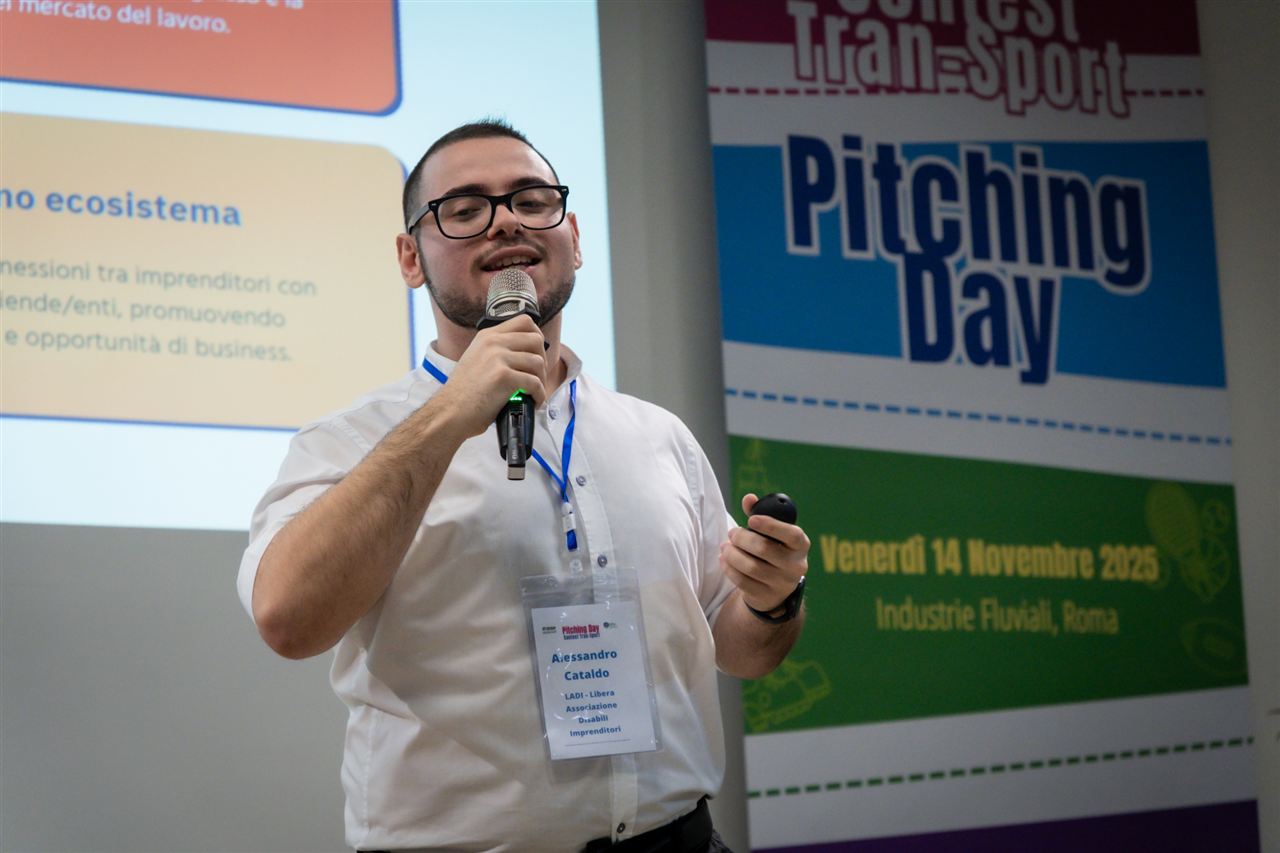
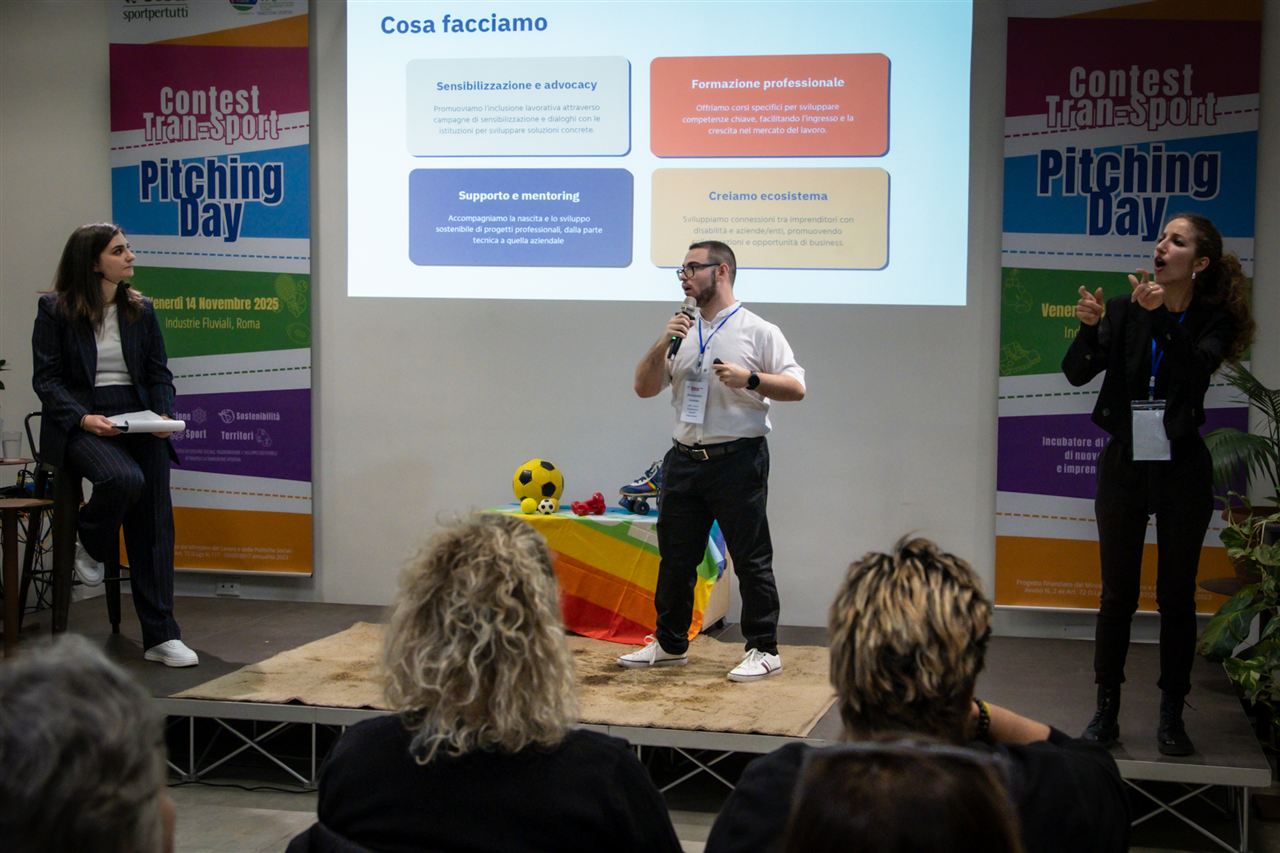
I act as a mentor and a judge in acceleration programmes and startup weekends. In March 2027 there will be a demo day in Milan open to startups from several programmes, including the YES! by LADI founders, and it is exactly the kind of occasion where a well-prepared pitch makes the difference.
Here I explain how I build a pitch with teams. In the second part I switch point of view and describe what an investor looks at and which questions they ask: if you invest, you can skip straight there.
The format: three minutes, about ten slides, then questions
At most demo days you have about three minutes, followed by a few minutes of questions, and the right number of slides is around ten. With more slides you end up reading them, with fewer you skip steps your audience expects.
Three minutes seem short, but they are enough for one thing: making someone want to talk to you afterwards. The pitch does not have to close an investment, it has to open a conversation.
The ten-slide structure
This is the sequence I recommend. It is not the only possible one, but it answers your audience's questions in the order they ask them.
- Problem Who has it and what it costs them today, ideally with a number.
- Solution What you do, said so that someone outside the industry understands it.
- Validation Evidence that the problem exists, such as interviews, first customers, a waiting list or a pilot.
- Product A screenshot or a photo. Show, do not describe.
- Market How many customers like the first one exist and where to find them.
- Business model Who pays, how much and how often.
- Competition Who already solves the problem and why you do it better.
- Team Why you. Skills count, not titles.
- Plan and numbers What you will do in the next 12-18 months and what it costs.
- Ask How much you are raising, for what, and what you offer in return.
I insist a lot on the third slide, the highlighted one, because it separates an idea from a project. If you do not have evidence yet, work on it before the pitch, with the method I described in how to validate a business idea.
The seventh deserves a pause too: saying you have no competitors costs you credibility, because it means you have not looked or the problem does not exist.
My pitch template, free. It is the long version: fifteen slides for a ten-minute pitch, useful for a meeting with an investor. For the three minutes of a demo day, keep the slides in the sequence above and move the others into your backup slides. It comes as a PowerPoint to edit on your computer and as a PDF to print. It is in Italian.
Backup slides
After the last slide, prepare a block of backup slides that you do not show during the pitch: detailed financials, technical details, metrics, the cap table. You need them when the questions come.
If an investor asks how you get to that revenue and you open the slide with the month-by-month plan, you show you have done your homework, and that is worth more than any catchy line.
If you are still before the product
Many teams reach demo day without a finished product, and that is fine. A proof of concept, or POC, to be developed in six months is acceptable if you present a clear plan: which activities, in what order, at what cost and with what result at the end.
What does not work is a vague "we are developing it". Six months, three activities, a budget and a measurable goal make the project credible.
How to rehearse a pitch
- Always use a stopwatch: if you run over in rehearsal, you will run over more on stage, with the nerves.
- Rehearse in front of someone who does not know the project. If after the second slide they have not understood what you do, rewrite the second slide.
- Prepare answers to the ten most likely questions. They are usually about competition, how much it costs to acquire a customer and how you will use the money.
- Leave one line to remember. At the end of the day the audience remembers two or three startups, and you have to give them a line to remember yours.
For investors: what to look at in an early-stage startup
This part is for people deciding whether to invest in a startup at an early stage. These are the criteria I use when I sit on a jury and the ones I prepare founders on.
The team before the idea
At an early stage the idea will almost certainly change, while the team stays. One of the lecturers who opened the first YES! batch sums it up like this: the value of a project is the quality of the idea multiplied by the quality of the execution, and execution weighs more. If the team has already changed course based on data, that is a good sign.
Validation of the problem
Ask how many people they interviewed and what they discovered that they did not expect. A team that answers with concrete examples has really talked to the market. Some large industrial groups also set up their startup programmes this way, starting from the problem to solve rather than the solution.
The cash requirement
Ask for the month-by-month budget over five years and the lowest point the cash reaches: that is what the startup really needs to stand on its own feet. If the amount they ask for has no link to that number, something does not add up.
The order of funding
A healthy startup looks first for customers' money, then for grants and bank loans, and only after that for equity. If a team asks for equity without having tried to sell anything, ask why.
| Question | What it tells you |
|---|---|
| What did you discover in the interviews that changed your mind? | Whether the team listens to the market or defends the idea. |
| How much does it cost you to acquire a customer and what are they worth over time? | Whether the business model holds up. |
| What will you do with the money in the first six months, month by month? | Whether there is a plan or just a wish. |
| Who in the team can work on the project full time? | How much strength there really is behind the project. |
| What would make you stop? | Whether the team knows its risks. |
If you want to meet the YES! by LADI founders and attend the demo day as an investor, write to me.
If you are working on a project and want to understand where to start, tell me about it. The first call lasts 30 minutes and is free.
Tell me about the projectRead also

Alessandro Cataldo, social entrepreneur, founder and president of the Libera Associazione Disabili Imprenditori and director of YES! by LADI. He works on startups, business, marketing and innovation with a social impact.