How to validate a business idea before you put money into it
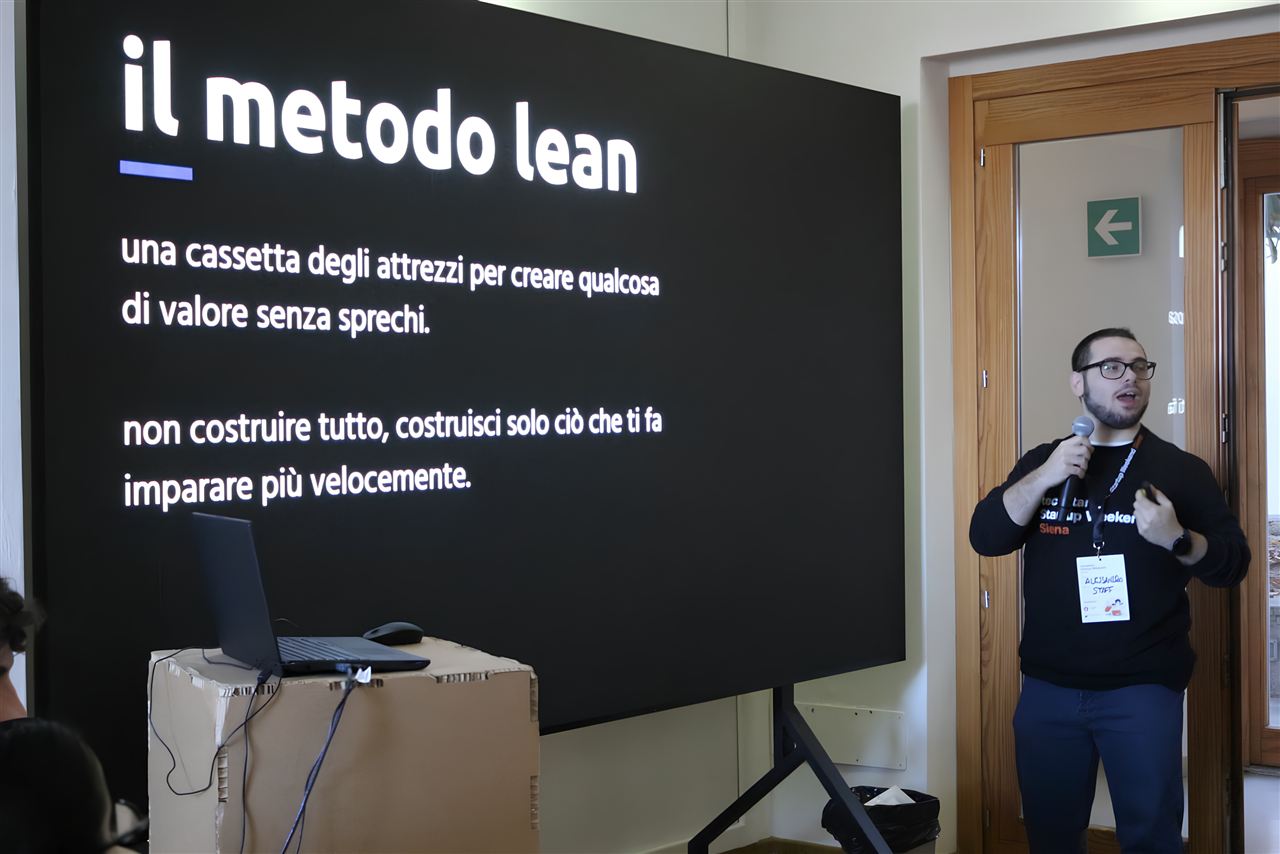
I have been working with startup teams and aspiring entrepreneurs for years, and today I mentor the founders of YES! by LADI, the incubation programme for founders with disabilities that I founded. Most of the ideas I see do not fail because they are bad, but because nobody checked whether anyone is willing to pay for them.
Here I explain, step by step, the method I use with teams, so you can apply it to your idea before you spend a single euro.
The idea matters less than you think
One of the lecturers who opened the first YES! batch uses a simple formula: the value of a project is the quality of the idea multiplied by the quality of the execution, and of the two, execution weighs more.
It means that an average idea pursued with method almost always beats a brilliant idea left in a drawer or built blindly. Validation is the first piece of that execution.
The four phases of a startup
People who work with investors often divide the life of a startup into four phases, and it is the framework I also use with the YES! founders.
- Discovery Understand the problem.
- Validation Prove that the problem exists and that someone pays to solve it.
- Efficiency Make the product and the business model efficient.
- Scale Grow.
The most common mistake is jumping from the first phase to the third, skipping exactly the highlighted box. You build the product, launch the website, spend on advertising, and only then discover that the problem was not felt that strongly.
Step 1: write down the problem, not the solution
Take a sheet of paper and answer three questions.
- Who has the problem? A specific person, not "everyone".
- When do they face it? At which moment of their day or work.
- How do they solve it today? Every real problem already has a solution, even a poor one: a spreadsheet, a friend, a supplier who costs too much.
If you cannot answer the third question, the problem may not be strong enough to push anyone to look for an alternative.
Step 2: choose the people to interview
Make a list of people who match the profile you wrote, leaving out friends, relatives and colleagues who like you. They will tell you the idea is wonderful, and that will be no use to you.
Look for them in industry groups, on LinkedIn, in trade associations or among a competitor's customers. The further they are from you, the more useful their answers will be.
Step 3: run at least five real interviews in one week
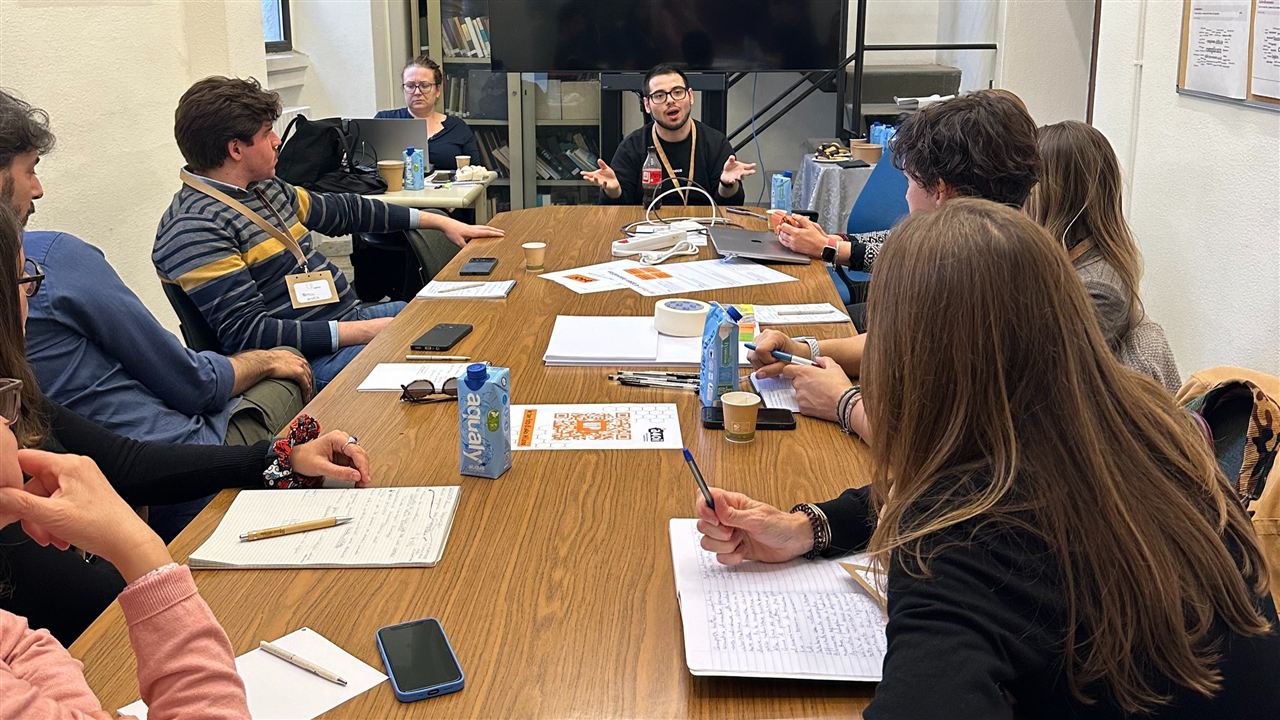
I ask YES! teams for at least five interviews by the Friday of the dedicated week, with real people. A questionnaire sent at random or an imagined chat does not count.
I give founders four rules.
- Ask about the past, not the future, because everyone answers yes to a question about the future.
- Start from the person, not the problem: understand who you are talking to, what they do and how they spend their days, and the problem will come out on its own.
- Listen more than you talk. If you spend half the interview explaining your idea, you are selling, not validating.
- Write everything down straight afterwards, using people's exact words, which are worth more than your summaries.
| Works | Does not work | Why |
|---|---|---|
| The last time you had this problem, what did you do? | Would you buy a product that solves it? | The past tells you what people actually do, the future only what they imagine. |
| How do you solve it today? | Do you like my idea? | The first uncovers the alternatives that already exist, the second asks for a compliment. |
| Tell me about a working day. | Let me show you the product, then tell me. | If you do the talking, the other person stops telling their story. |
If you use a written questionnaire, keep it short and write every question from the reader's point of view. Think also of people filling it in on a phone or with a screen reader: for them, single questions work better than grids.
Step 4: define the MVP on the data
Only after the interviews do you move on to the minimum viable product, the MVP. I have my teams fill in an MVP Scope Canvas, which separates what the first version must do to solve the problem that emerged from the interviews from what can wait.
The rule is that every MVP feature must be linked to something you heard from at least one interviewee. If a feature comes only from your head, it goes on the "later" list.
Step 5: put everything in the Lean Canvas
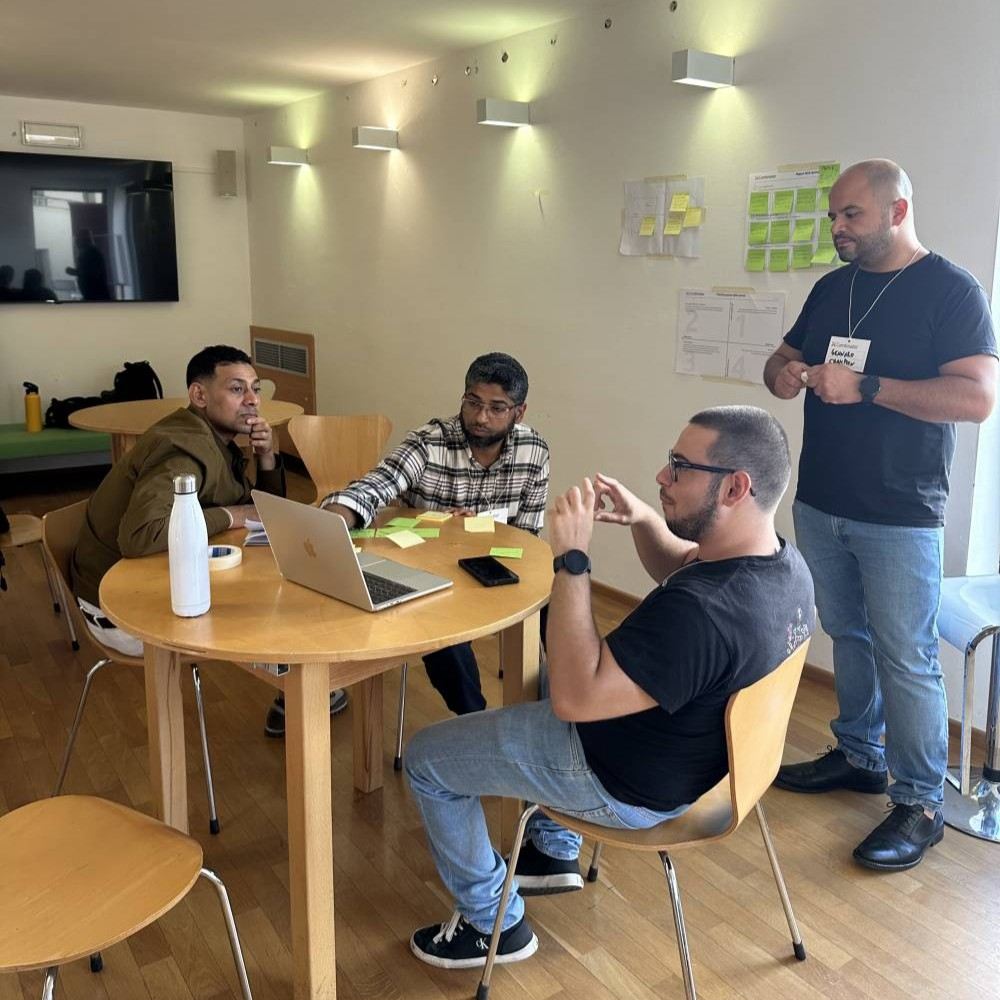
The last step is to collect what you learned in a Lean Canvas, a single page with problem, customers, value proposition, channels, costs and revenue, which forces you to see the gaps. If the box on who pays and how much is empty or full of assumptions, you know where to go back to work.
You can download the Lean Canvas for free from the Useful materials section of the Italian site, both to print and to fill in on a computer.
The numbers need validating too
In one of the YES! lessons, a lecturer told the story of a restaurant that had raised more than 300,000 euros and had to recapitalise: the till software gave wrong numbers and delivery platform commissions had gone from 15-18% to 30%.
The lesson applies to anyone starting from scratch too. Validation is not only about the customer's problem but also about the costs you take for granted, so before signing with a supplier or a platform, ask yourself what happens if that cost doubles.
What you get at the end
After these five steps you hold a decision, not an opinion: go ahead, change customer or problem, or stop. Stopping is a result too, because it saves you months and money.
If you are working on a project and want to understand where to start, tell me about it. The first call lasts 30 minutes and is free.
Tell me about the projectRead also

Alessandro Cataldo, social entrepreneur, founder and president of the Libera Associazione Disabili Imprenditori and director of YES! by LADI. He works on startups, business, marketing and innovation with a social impact.