
A cofounder leaves the startup: what to do and how to prepare in advance
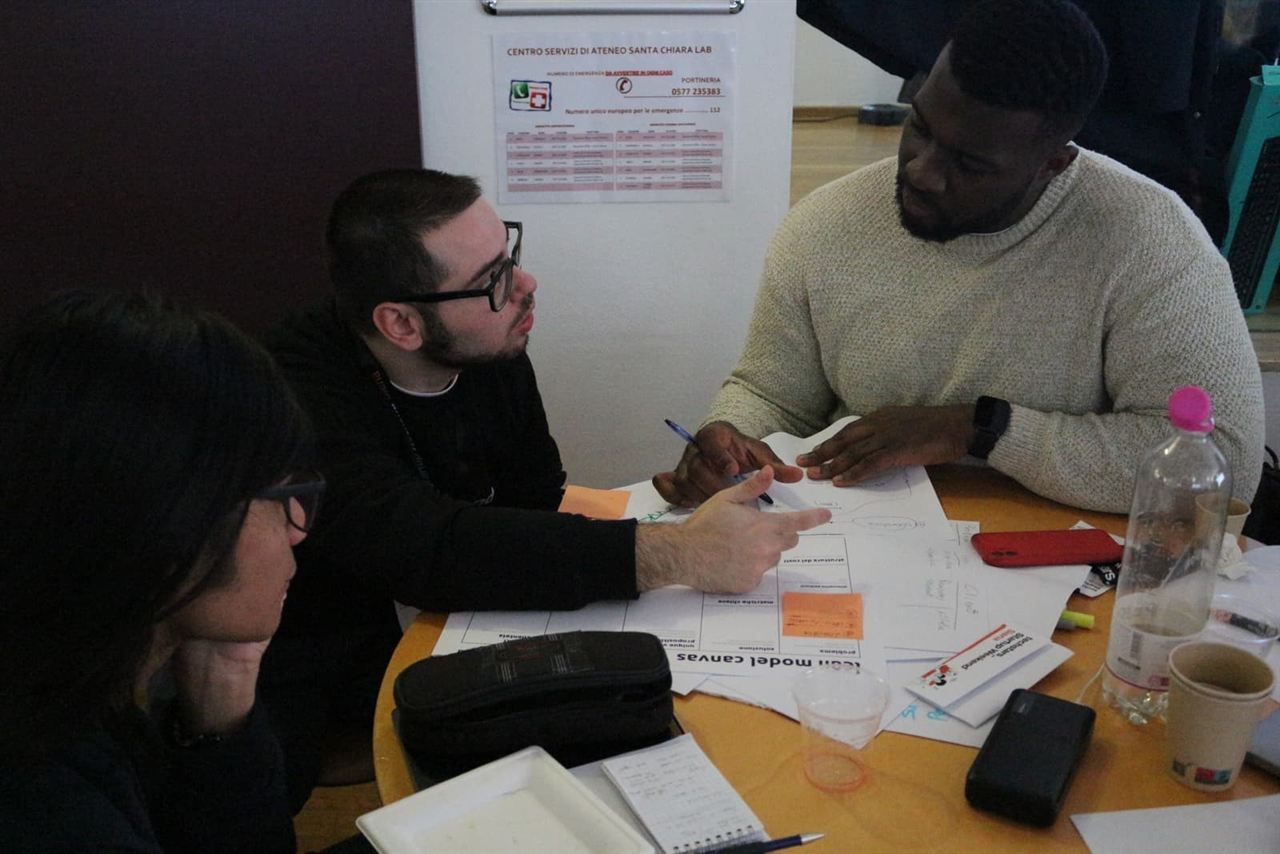
As a startup mentor I often sit down with two cofounders when one of them says: "I can't keep up any more". Usually there is no fight: what is missing is time, energy, sometimes the financial conditions to carry on.
Here I describe how I handle these conversations, which options exist and what is worth deciding before it happens.
Why it weighs so much in a team of two
If there are two of you and one leaves, you lose half your strength and half your skills in one go. If the person leaving covered the technical side or the industry knowledge, like the agronomist in an agricultural startup or the developer in a digital one, the project risks stopping.
That is why the first reaction is almost always panic. The second, the useful one, is realising there are more ways forward than all or nothing.
The three concrete options
When a cofounder can no longer give the time agreed, there are three ways forward.
| Option | What happens | When it makes sense |
|---|---|---|
| Splitting up | The cofounder sells their stake and leaves, and whoever stays looks for a new cofounder. | When their contribution is no longer needed or the relationship is damaged. It is the cleanest solution and sometimes the healthiest. |
| Staying with a smaller role | The cofounder stays, with less responsibility and a smaller stake. | When they can still give something, but less than before. Nobody said the split has to stay 50-50 forever. |
| Becoming a consultant | The cofounder leaves the company and works as an external professional, on specific paid tasks. | When their skills are still needed and you need time to find someone to replace them. |
There is no option that is right in every case. It depends on what the leaving person's contribution is worth today, how much it will be needed in the coming months and how the personal relationship stands.
How to handle the conversation
- Keep the personal side separate from the company side. You can stay friends and change how the company is set up, and often it is the only way to stay friends.
- Put everything in writing: roles, hours, equity and pay. What seems obvious today will not be in six months.
- Set a deadline. A "let's talk about it again" without a date means you will not, so give yourselves two or three weeks to decide.
- Get help from an outsider, a mentor or an advisor with nothing at stake, who keeps the conversation on the facts.
In a lesson to my founders a lecturer used a line I often repeat: better a friendship born from business than a business built on friendship. Anyone starting out with a friend has to put the rules in writing precisely because a friendship is involved.
How to prevent the problem from the start
The hardest conversation happens at the beginning, when everyone is excited and nobody wants to talk about exits, and that is exactly the right moment. I work on it with the YES! by LADI founders from the first lessons, on three points.
Choosing cofounders who complement each other
Two people with the same skills step on each other's toes. Two people with different skills cover for each other, but losing one of them weighs more, and knowing that in advance helps you prepare.
Tying equity to commitment over time
This is called vesting: equity is earned a little at a time, as people stay and work, and someone who leaves early takes only the part they have earned.
Writing down what happens if someone leaves
At what price their shares are bought, who has the right to buy them and whether anything changes depending on why they leave.
Putting these rules in black and white, in the articles of association or in a shareholders' agreement, is a job for a notary or a lawyer. My advice is to agree the content between you straight away, and have a professional write it down before you need it.
Looking for a new cofounder
If a cofounder leaves, the first instinct is to find someone identical straight away. First stop and ask yourself which skills the project needs now, not six months ago: sometimes the answer is different.
- Look where people work on real projects, such as startup weekends, hackathons and incubation programmes.
- Try working together on a concrete task before talking about equity.
- Do not give equity away out of desperation: whoever joins late has to earn their share like those who were there from the start.
When an exit is good news
Not every exit is a failure. Sometimes it makes clear who really believes in the project and leaves room for a cofounder better suited to the stage you are at, and I have seen teams restart faster after a well-handled separation.
What matters is not leaving things halfway: a cofounder who is no longer around but still holds 50% of the shares blocks every decision and scares off any investor. I also talk about this in the article on how to prepare a demo day pitch.
If you are working on a project and want to understand where to start, tell me about it. The first call lasts 30 minutes and is free.
Tell me about the projectRead also

Alessandro Cataldo, social entrepreneur, founder and president of the Libera Associazione Disabili Imprenditori and director of YES! by LADI. He works on startups, business, marketing and innovation with a social impact.